
Table of Contents
Can Stress Cause Neck Tension and Headaches? Signs Your Nervous System Is Overloaded
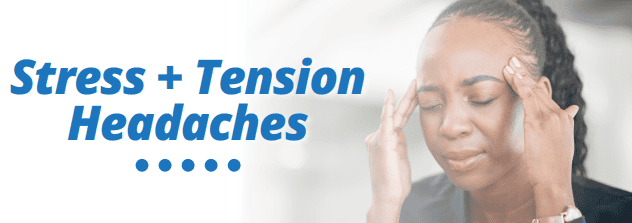
Stress is not “all in your head.” It shows up in your body—tight shoulders, shallow breathing, jaw clenching, and a head-forward posture. For many people, those stress patterns turn into neck tension and headaches, especially headaches that feel like a tight band around the head, pressure behind the eyes, or a headache that builds as the day goes on.
Headaches can have many causes, so the goal isn’t to self-diagnose. It’s to notice patterns, try a few simple fixes, and know when it’s time to get checked. One area that often gets overlooked is the top of the neck, especially the alignment and function of the first two neck bones: C1 (atlas) and C2 (axis).
Why C1/C2 Alignment Matters
Your head sits on C1, and C1 works closely with C2 to support your head, balance posture, and allow smooth movement. This area is also where your body gets a lot of important feedback about position and stability. When C1/C2 are not moving well—or the alignment is off—your body often compensates with muscle guarding. That can show up as tightness at the base of the skull, stiff neck rotation, shoulder tension, and headaches that spread forward.
When stress is high, those compensations can get worse. Stress posture tends to pull the head forward and keep the shoulders elevated. Over time, that increased load can irritate the upper neck, making headaches easier to trigger and harder to “stretch away.”
How Stress Turns Into Neck Tension
When you’re stressed, your body often goes into a guarded mode. Your shoulders creep up, your jaw tightens, your breathing gets shallow, and your head drifts forward—especially while working, driving, or scrolling. That posture increases the workload on the neck and upper back.
If the top of the neck (C1/C2) is already stiff or out of balance, the stabilizing muscles can stay “on” all day. That constant tension can irritate joints, limit movement, and contribute to recurring headaches.
Tension Headache vs Migraine (quick and simple)
Tension headaches usually feel like steady pressure or tightness and often come with neck/shoulder tension. They commonly worsen with screen time, long sitting, or poor sleep.
Migraines are more likely to feel throbbing and may come with nausea or sensitivity to light and sound. They often affect one side, but not always.
Some people experience both patterns. If your headaches are changing—more frequent, more intense, or different than usual— getting evaluated is a smart next step.
A Natural Approach: reduce triggers and restore balance
Upper cervical care is a focused, gentle approach that aims to help the body return to a more stable position and reduce the need for constant muscle guarding. When your head and upper neck are balanced, posture is easier to maintain, and the strain that builds during stressful days is often less intense.
Same-day relief you can try…
If you need practical relief today, start with these simple steps:
1. 90-second breathing reset. Inhale slowly through your nose and exhale longer than you inhale for about 90 seconds. This helps your body “downshift” out of a guarded state.
2. Heat + gentle motion. Use a warm shower or heat pack for 10–15 minutes, then gently turn your head left/right within a comfortable range. No forcing.
3. Micro-breaks. Every 45–60 minutes, stand up and move for 1–2 minutes. This helps reduce the stress load that accumulates in the neck and shoulders.
Also check two basics that often get missed: raise your screen/ phone so your chin isn’t jutting forward, and make sure you’re not dehydrated or skipping meals—both can amplify headaches.
Upper cervical chiropractors focus on the top two bones in the neck (C1/C2). This is a precision-based approach aimed at improving alignment and function in this area with gentle, specific corrections.